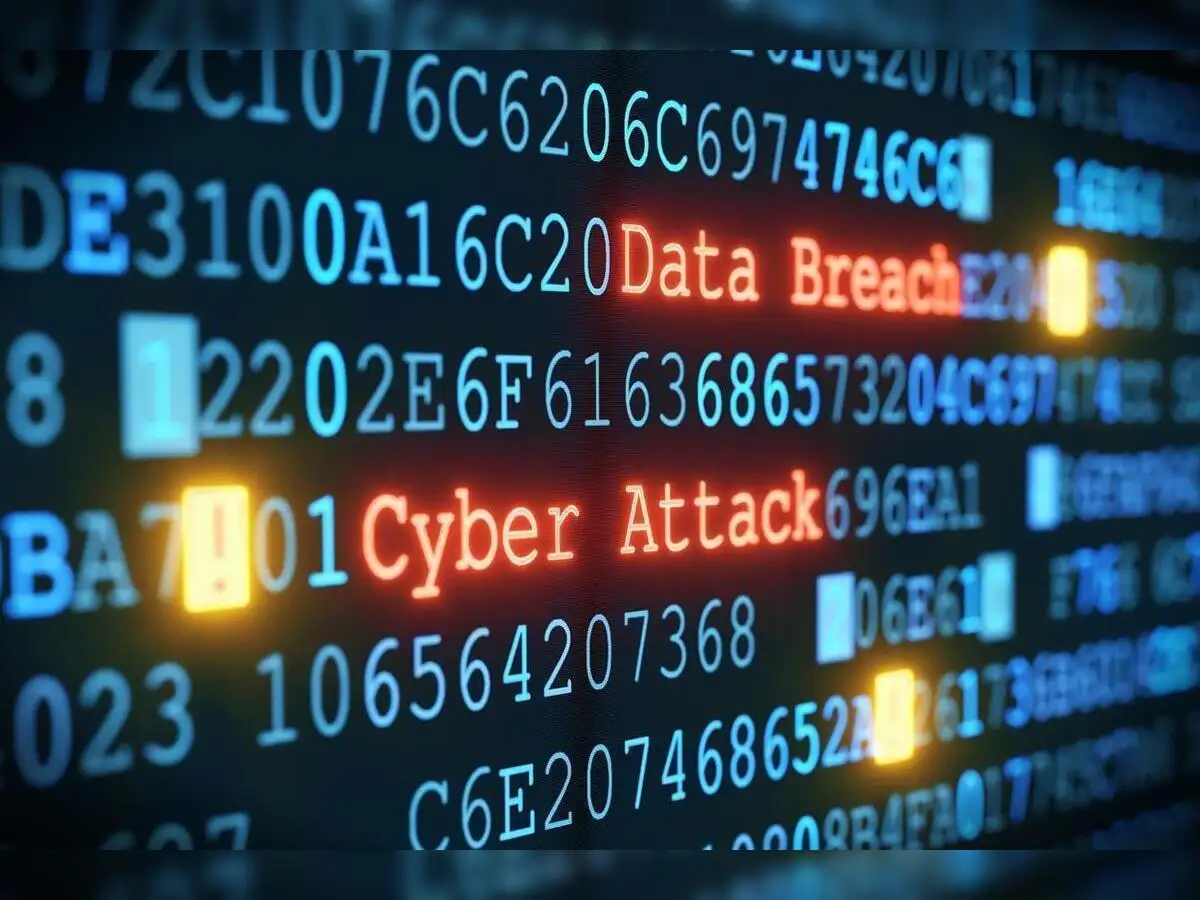
Cyber pirates at large, India readies moats
Recently, India has ramped up its cybersecurity measures in response to the rising threat posed by cybercriminals, often referred to as 'cyber pirates.' Key governmental and regulatory bodies, including the Indian Computer Emergency Response Team (CERT-In), Reserve Bank of India (RBI), Securities and Exchange Board of India (SEBI), and the Ministry of Defence have issued a series of advisories aimed at strengthening the digital fortifications of crucial sectors. These sectors include energy utilities, telecommunications, banks, and stock exchanges—all critical components of national infrastructure that are vulnerable to cyberattacks. The directives encourage these sectors to adopt more robust cybersecurity practices, emphasizing the need for regular security audits, implementing strong encryption mechanisms, and fostering a culture of cybersecurity awareness among employees. Additionally, there is a focus on enhancing incident response protocols to ensure a swift and effective reaction to any potential breaches. This initiative signifies a pivotal moment in India’s approach to national cybersecurity, reflecting a global trend towards acknowledging the significant risk posed by cyber threats. By preparing these digital 'moats,' India aims to fortify its defense mechanisms, making it more challenging for cybercriminals to exploit vulnerabilities in critical systems. The economic implications of such national efforts are substantial, potentially preventing costly disruptions and maintaining the trust of international partners and investors.
Key Takeaways
- WordPress website owners should stay informed about emerging threats and apply security patches to their platforms promptly.
- Using strong and unique passwords for WordPress admin accounts can help prevent brute-force attacks.
- Implementing two-factor authentication adds an extra layer of security to WordPress sites, reducing the likelihood of unauthorized access.
- Regularly backing up WordPress sites ensures data can be restored in the event of a security breach.
- Monitoring and logging website activities can help identify unusual behavior, potentially indicating a cyber threat.
Cookie Preferences
We use cookies to enhance your browsing experience, serve personalized ads or content, and analyze our traffic. By clicking "Accept All", you consent to our use of cookies.