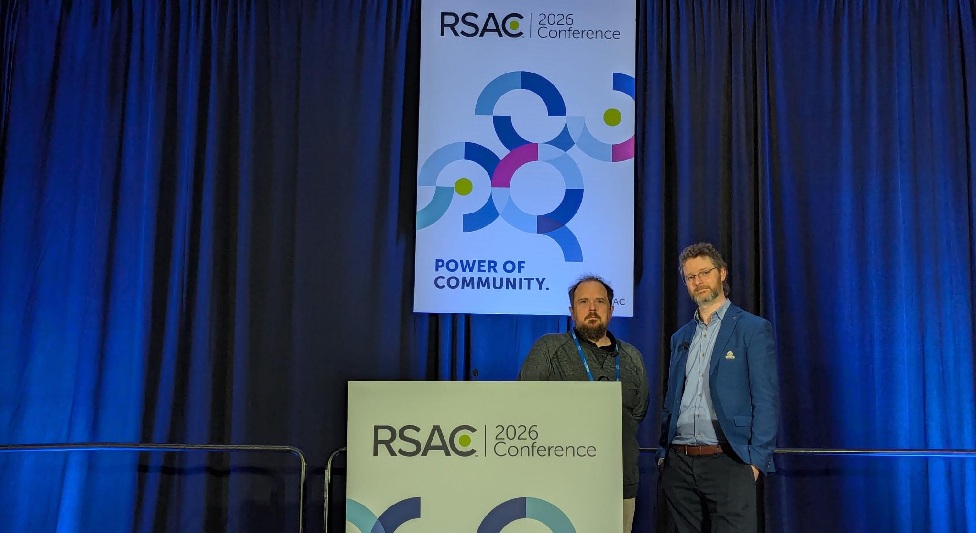
TrendAI™ Research at RSAC 2026: Advancing Defense Across AI‑Driven and Cyber‑Physical Threats
At the RSAC 2026, TrendAI™ Research showcased its innovative exploration into the burgeoning threats at the intersection of artificial intelligence and cybersecurity. By conducting two pivotal research sessions, the initiative delved into two critical areas: agentic AI cybercrime and electric vehicle (EV) infrastructure security. Agentic AI has emerged as a dual-use technology that can empower both defenders and attackers in cyberspace. The ability of AI-driven systems to autonomously adapt and evolve has heightened the stakes in cybersecurity, necessitating new defense mechanisms tailored to combat these intelligent threats. TrendAI™ Research has been at the forefront of creating frameworks to detect and mitigate risks associated with such AI threats, seeking to ensure a trustworthy AI ecosystem. In parallel, the growing utilization of AI within cyber-physical systems, such as EV charging stations, presents another layer of complexity. As these infrastructures become increasingly networked, they present lucrative targets for cybercriminals. Attendees at RSAC 2026 were introduced to innovative methodologies for safeguarding these systems against breaches that could compromise both data integrity and physical safety. The sessions underscored the importance of DDoS protection, intrusion detection systems, and the development of protocols that can effectively isolate and manage threats in real-time. Overall, the RSAC 2026 discussions led by TrendAI™ Research highlighted the necessity for a robust, multi-layered defense strategy that integrates AI ethics, robust AI audits, and advanced endpoint protection. In an era where AI accelerates both innovation and risk, the emphasis was placed on collaboration between developers, security experts, and policymakers to develop sustainable cybersecurity practices.
Key Takeaways
- WordPress owners should consider implementing AI-based security plugins that can offer dynamic threat detection and response capabilities.
- Staying informed about AI vulnerabilities can help protect digital assets, especially as agentic AI threats become more prevalent.
- Enhancing server security with up-to-date DDoS protection can prevent harmful attacks aimed at supply chain weaknesses, including those affecting plugin and theme utilities.
- Regularly audit your website to identify potential AI-driven threats that may exploit existing vulnerabilities.
- Cultivate partnerships with AI and cybersecurity experts to ensure your defense strategies are current and comprehensive.
Cookie Preferences
We use cookies to enhance your browsing experience, serve personalized ads or content, and analyze our traffic. By clicking "Accept All", you consent to our use of cookies.